Ogun 2027: Can A State That Excludes Women From All Three Senatorial Seats Truly Claim To Be Progressive? – OPINION
By Otunba Fatai Sowemimo

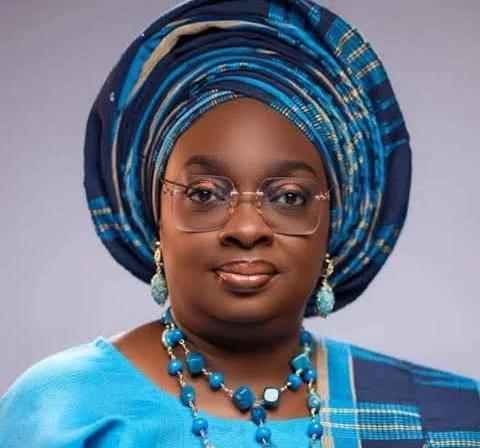
There is a dangerous political pattern gradually emerging in Ogun State — the systematic exclusion of women from the highest elective positions, particularly the Senate.
If eventually all three senatorial tickets in Ogun are occupied exclusively by men, despite the existence of qualified, experienced, and politically active women across Ogun East, Central, and West, then serious questions must be asked:
Is this accidental, cultural, or deliberately engineered?
Women constitute one of the largest voting blocs in Ogun State. They dominate grassroots mobilization, market structures, religious organizations, cooperative societies, campaign activities, election logistics, and community influence networks.
Ironically, the same women who carry political parties during elections are often excluded when power is being distributed.

This contradiction is both morally troubling and politically dangerous.
A democracy cannot claim legitimacy while systematically sidelining over half of its active political population.

Beyond fairness, the exclusion of women creates a representation crisis. Issues affecting maternal health, girl-child education, family welfare, gender violence, economic inclusion, and youth development are less likely to receive adequate legislative attention when women are absent from decision-making tables.
More troubling is the message being sent to younger generations:

“Women can campaign, vote, and defend parties, but should not aspire to lead.”
That is not democracy. That is structured political limitation.
Women in Ogun must therefore begin to rethink their political strategy.
This is not the time for silence or symbolic participation. It is time for organization, negotiation, and strategic political assertion.
Women groups across party lines should begin to build strong coalitions, demand inclusion in candidate selection, support credible female aspirants, hold town hall engagements, and openly challenge exclusionary political arrangements.
Political relevance is rarely donated voluntarily; it is organized and demanded.
The conversation is no longer about charity for women. It is about democratic balance, electoral justice, and sustainable political development.
No political party should continue treating women as electoral assets during campaigns but liabilities during power-sharing.
The future of inclusive politics in Ogun will depend on whether women remain passive observers or become coordinated political stakeholders capable of influencing outcomes.
One fundamental truth remains:
Women cannot continue to be the engine room of elections while remaining absent from the table where power is shared.
By Otunba Fatai sowemimo