Supreme Court Verdict: Oladele Questions Validity of Obasanjo-Bello’s PDP Ticket

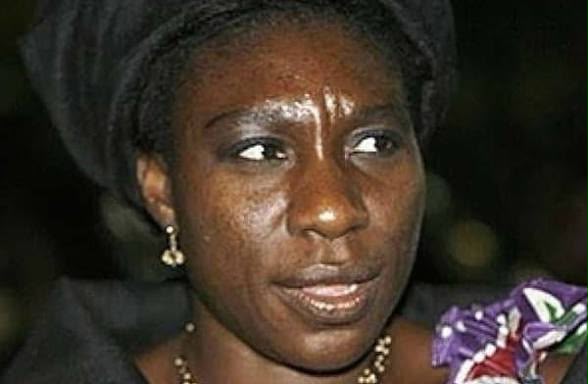
ABEOKUTA – The Chairman of the Planning Committee of the APC Presidential and Governorship Campaign Committee in Ogun State, Hon. Kayode Oladele, has said Thursday’s Supreme Court judgment restoring key provisions of the Electoral Act 2026 raises serious questions over the validity of the Peoples Democratic Party’s nomination of former Senator Iyabo Obasanjo-Bello as its candidate for Ogun Central Senatorial District.
The Supreme Court, in a unanimous judgment delivered on Thursday, September 24, upheld the appeal filed by the Independent National Electoral Commission and restored provisions of the Electoral Act dealing with political party membership registers and the nomination of candidates. The court specifically upheld Sections 77(5), (6) and (7), as well as Section 84(2), reversing the earlier decision of the Court of Appeal that had invalidated the provisions.
Reacting to the judgment, Oladele said the decision had fundamentally altered the legal landscape surrounding nominations for the 2027 elections and that its implications for Obasanjo-Bello’s PDP senatorial ticket could not simply be brushed aside.
“The Supreme Court has now spoken on the validity and enforceability of these provisions of the Electoral Act. The important question for Senator Iyabo Obasanjo-Bello is whether her emergence as the PDP candidate complied with those statutory requirements, particularly those relating to party membership and the register submitted to INEC before the primary,” Oladele said.
Obasanjo-Bello had earlier sought the governorship ticket of the All Progressives Congress before leaving the party and joining the PDP. She subsequently emerged as the PDP candidate for Ogun Central Senatorial District.

Oladele argued that Section 77 of the Electoral Act assumes particular significance because the Supreme Court has now affirmed the validity of provisions requiring political parties to use the membership register submitted to INEC within the prescribed period for their primaries, congresses and conventions.
According to him, “The issue is no longer whether those provisions are constitutional. The Supreme Court has settled that question. What must now be established is whether Senator Obasanjo-Bello was a member of the PDP within the relevant statutory period and whether her name was contained in the membership register submitted to INEC as required by law.

“If the records establish non-compliance with those statutory requirements, then the legal foundation of her nomination will face a very serious challenge. In that circumstance, what appeared to be a political comeback could turn out to be a legal dead end.”
Oladele, a lawyer and former member of the House of Representatives, cautioned, however, that the Supreme Court judgment did not expressly pronounce on Obasanjo-Bello’s individual candidacy. He said its effect would ultimately depend on the facts surrounding her membership of the PDP, the party register submitted to INEC and the process through which she emerged as the senatorial candidate.

Obasanjo-Bello’s camp has rejected claims that the judgment automatically disqualified her. Her media aide, Dr Odun Agbalajobi, said on Friday that she remained eligible to contest the election and argued that the Supreme Court decision had been wrongly interpreted by those claiming that her candidacy had been terminated.
Oladele maintained that the appropriate response was for the PDP and its candidate to place the relevant records before the public rather than treating the legal questions arising from the judgment as mere political propaganda.
“The judgment did not mention Senator Iyabo Obasanjo-Bello by name, and nobody should pretend otherwise. But neither can anyone wish away the statutory requirements that the Supreme Court has now expressly upheld. The decisive issue is compliance.
“The PDP should therefore tell the people of Ogun Central when Senator Obasanjo-Bello became a member of the party, whether her name appeared in the relevant membership register submitted to INEC within the period stipulated by law, and whether the process that produced her complied fully with the Electoral Act.
“Those are questions of law and documentary evidence, not sentiment. Ultimately, the legal consequences of any alleged non-compliance are matters for the appropriate judicial process to determine,” Oladele said.