A Choice of Distinction: Otunba Giwa Ayodeji Osibogun And The 2025 Independent Appraisal That Redefined Leadership In Ijebuland

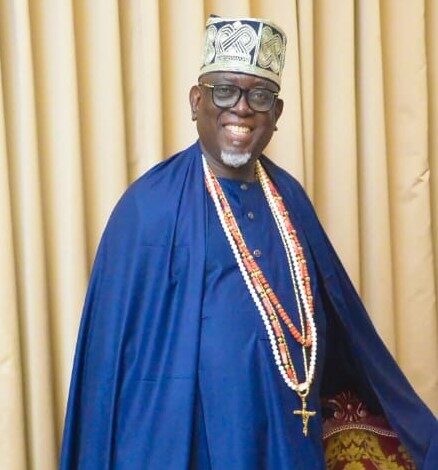
In Ijebuland, where history and destiny remain deeply intertwined, there are defining moments that invite careful reflection—moments when the community considers the quality of leadership required to safeguard tradition while guiding collective progress.
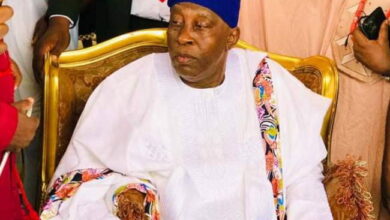
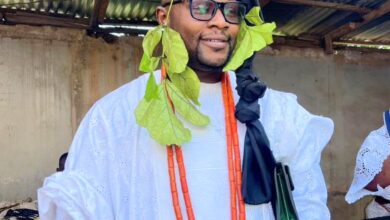
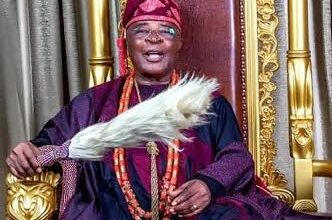
The 2025 Independent Appraisal of Awujale aspirants marked one such moment. It identified a select circle distinguished by heritage, capacity, and public regard. Among those highlighted—alongside three others in the latest rating—was Otunba Giwa Ayodeji Osibogun, whose credentials reflect both ancestral legitimacy and contemporary relevance.
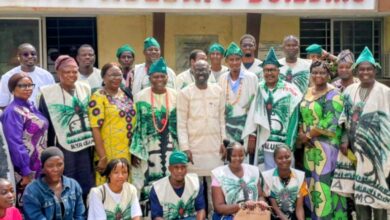
Organized by the Concerned Ijebu Indigenes (CII), an advocacy body committed to transparent succession and cultural preservation, the appraisal undertook a structured review of ten aspirants to the revered Awujale throne.
Led by Comrade Oriyomi Olufemi Babs, the five-member committee evaluated each contender against established benchmarks: conformity with the 1957 Awujale Chieftaincy Declaration, alignment with the Ogun State Obas and Chiefs Law of 2021, verifiable lineage, paternal ancestry, physical fitness, and demonstrable public standing.

Drawing on archival documentation, recorded family histories, and a structured survey of 500 Ijebu residents, the exercise balanced historical fidelity with measurable public sentiment—affirming that stewardship of the throne demands both legitimacy of origin and strength of character.
It is within this evaluative framework that the profile of Otunba Giwa Ayodeji Adekunle Osibogun becomes particularly instructive.

● A Heritage Anchored in Responsibility
Born on 9 November 1955, Otunba Osibogun is a direct descendant of Oba Jadiara of the Fusengbuwa Ruling Family, tracing his lineage to figures who helped shape Ijebu’s political and cultural foundations. His paternal ancestry includes Adekunmi of Oru and Balogun Onafowokan, while his maternal heritage connects the Tunwase royal household, the Wright family of Lagos, and the Oyelewu family of Ikorodu—situating him firmly within the broader continuum of Yoruba nobility.

Educated in Ibadan, Aiyetoro, and Oyo, he earned a Bachelor of Arts degree in Theatre Arts from the University of Ibadan. That academic foundation fostered cultural literacy alongside organizational discipline, later expressed through broadcasting, entrepreneurship, and heritage advocacy. Through platforms such as Space FM 90.1, AfroSpace TV, and Creazioni Nigeria Limited, he has contributed to the promotion of Yoruba language, history, and identity within a modern media environment.
Beyond professional accomplishment, his traditional titles—Giwa of Egbe Bobagbimo Akile Ijebu and Otunba Oba Loja of Ijebuland—reflect sustained engagement in community advancement.
His involvement in initiatives supporting security, infrastructure, and institutional cohesion, as well as his association with the Ijebu National Museum of Arts and Artifacts and the Yoruba Ko’ya Foundation, underscores a record of cultural stewardship and mentorship. Together with Yeye Otunba Débola Osibogun and their four children, he continues the Jadiara lineage with visible commitment to service.
● Affirmation Beyond Lineage
Public sentiment further reinforced his standing. Within the pool of aspirants, Otunba Osibogun recorded the highest public approval rating at 64 percent, reflecting confidence across community segments. As a scion of the Ushenowo line of the Fusengbuwa Ruling House, he satisfies the expectations of tradition while demonstrating administrative experience and civic engagement suited to contemporary realities.
His profile reflects:
• Confirmed genealogical standing within the ruling house
• Strong academic and professional background
• Demonstrated leadership and organizational experience
• A defined developmental outlook for Ijebuland
• Established credibility and broad communal respect
At a time when traditional institutions increasingly interact with governance, development partnerships, and national discourse, such attributes carry practical significance. His recognition rests not solely on ancestry, but on demonstrable capacity and earned trust.
● Stewardship in a Changing Era
The 2025 appraisal reinforced a central principle: the Awujale throne represents a solemn trust sustained by integrity, stability, and public confidence. It requires measured judgment, cultural guardianship, and the ability to unify diverse constituencies across generations.
As Ijebuland continues to evolve within Nigeria’s dynamic social landscape, leadership will be defined less by symbolism than by substance. Viewed through this lens, Otunba Giwa Ayodeji Osibogun emerges not merely as one among aspirants, but as a figure aligned with the enduring aspiration for continuity, dignity, and thoughtful progress—anchored in history, attentive to the present, and prepared for the future.
Olumide Adekunle Fashina is a Lagos-based public affairs commentator writing on power, institutions, and legitimacy in Nigeria.