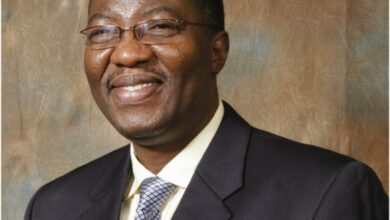
ABUJA – The deepening crisis within the Peoples Democratic Party (PDP) appears to have entered a more critical phase, with indications that presidential aspirant and founding member, Dr. Gbenga Hashim, may be considering his future in the party amid failed reconciliation efforts and rising internal tensions.
What initially emerged as a leadership dispute has, according to observers, escalated into a broader structural breakdown.
The party is now grappling with entrenched factions and competing interests that have significantly weakened its capacity to function as a cohesive and effective opposition platform.
Of particular concern are growing claims that some elements within the PDP may be aligning with the political establishment under President Bola Ahmed Tinubu. While these claims remain largely speculative, they have fueled anxiety about the possibility of internal compromise and a gradual weakening of the party from within.
This situation has led to increasing speculation about the PDP’s long-term viability as a credible opposition force. Political analysts warn that if the current trajectory persists, the party risks drifting toward a position of tacit support for the ruling government ahead of the 2027 elections.

Sources close to Dr. Hashim suggests that he views the current developments as a significant challenge, both to his presidential ambition and to his broader commitment to democratic plurality. Remaining within a divided and potentially compromised structure, they argue, may limit his ability to effectively pursue either objective.
In response, Hashim is said to be engaging in consultations across political lines, a move interpreted as part of a wider strategy to explore coalition-building efforts. Such efforts, analysts note, could play a role in countering fears of a one-party dominant system in Nigeria.

The unfolding developments may signal a pivotal moment for both Hashim and the PDP. Should key figures begin to disengage from the party, it could accelerate a decline in its political relevance and open the door for new alliances or political formations to take shape.
Beyond the immediate political calculations, the situation raises broader concerns about the state of Nigeria’s democracy. Experts emphasize that the weakening of viable opposition structures could have far-reaching implications for democratic accountability and balance.

As the 2027 elections approach, the decisions taken by key political actors, including Dr. Hashim, are expected to shape the direction of the country’s political landscape and determine whether Nigeria maintains a competitive multiparty system or edges toward a more dominant-party structure