Ogun Deputy Governor Laments Nigeria’s Industrial Growth Challenges
...as Olumayowa Idowu inaugurated as Chairman, NSE Abeokuta

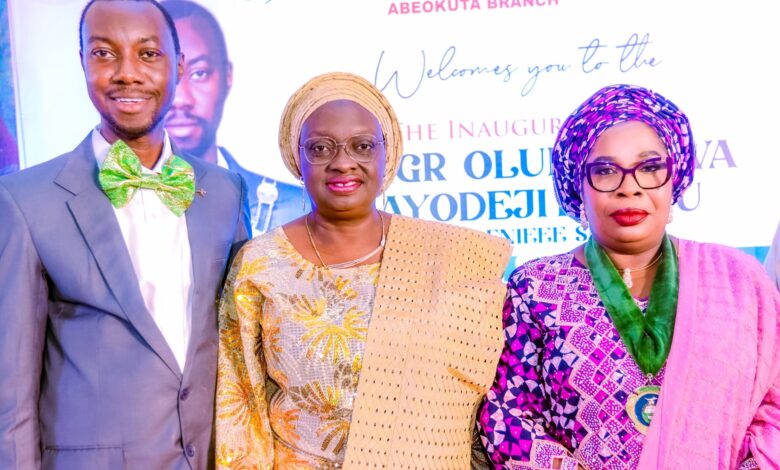
ABEOKUTA – The Ogun State Deputy Governor, Engr. Noimot Salako-Oyedele has said the Nigerian industrial sector has witnessed transforming growth but still impeded by some major challenges hindering it full potential.
According to the Deputy Governor, the industrial sector has seen growth in the key areas such as manufacturing, construction, and energy, but was hindered by infrastructure deficit such as lack of modern roads, power supply and efficient transport systems which increased production costs and limits industrial expansion.
Engr. Salako-Oyedele disclosed this on Saturday at the inauguration of Engr. Olumayowa Idowu as the 17th Chairman, Nigerian Society of Engineers (NSE), Ogun State branch.
She further attributed limited access to technology and innovation, skills and workforce development, policy, and regulatory bottlenecks among the challenges confronting the industry.
She posited that, despite the challenges, industries such as cement production, telecommunications, agribusiness, and petrochemicals have proven that with the right approach, engineering can drive large-scale industrial growth.

She, however, maintained that, for Nigeria to actualize its industrial and technological transformation, the government must empower the engineers and create an environment where engineering excellence, research, and innovation can thrive and translate into real economic impact.
She added that the government should prioritize engineering and innovation to foster growth and national development through infrastructure development, technology and digital transformation, renewable energy and sustainable industry practices, skill development, and capacity building.

She, therefore, called on Nigerian Engineers to be problem solvers by finding solutions to society’s most pressing challenges.
She urged them to embrace innovation and continuous learning and advocate for engineering leadership in national development.

“Engineering has always been at the heart of economic progress. From infrastructure to technology, from industrialization to digital transformation, engineers build the systems that drive growth. No country in the world has achieved sustained economic advancement without harnessing the power of engineering and innovation.
“Nigeria, with its vast resources and entrepreneurial spirit, has all the ingredients necessary for industrial and technological transformation. However, to fully realize our potential, we must recognize and empower engineers as the architects of this change. We must create an environment where engineering excellence, research, and innovation can thrive, translating into real economic impact.
“Nigeria’s industrial sector has seen growth in key areas such as manufacturing, construction, and energy. However, several challenges still hinder our full potential: infrastructure deficit – The lack of modern roads, power supply, and efficient transport systems increases production costs and limits industrial expansion.
“Limited Access to Technology and Innovation – Many industries still rely on outdated technologies, reducing competitiveness in global markets.
“Skills and Workforce Development – While we have a vibrant youth population, there is often a mismatch between the skills available and the demands of the industrial sector.
“Policy and Regulatory Bottlenecks – Bureaucratic challenges, inconsistent policies, and regulatory hurdles can slow down industrial progress.
“Despite these challenges, we have seen success stories in industries such as cement production, telecommunications, agribusiness, and now in petrochemicals proving that with the right approach, engineering can drive large-scale industrial growth.
“For Nigeria to become an industrial powerhouse, we must bridge the gap between academic research and industrial application. Universities, research institutes, and engineering bodies must work closely with industries to develop solutions that are relevant, cost-effective, and scalable.
“The government plays a crucial role in creating an enabling environment for engineering-driven industrial growth. Key policy actions should include:
• Investment in Infrastructure and Technology – Prioritizing funding for roads, power, and digital infrastructure.
” Incentives for Innovation – Providing tax breaks, grants, and support for research and development in engineering and manufacturing.
“Public-Private Partnerships – Encouraging collaboration between government, private sector, and engineering bodies to implement large-scale industrial projects.
“Be problem-solvers, not just practitioners. Engineering is not just about technical expertise; it is about finding solutions to society’s most pressing challenges.
“Embrace innovation and continuous learning. The future belongs to those who adapt to new technologies and global best practices.
“Advocate for engineering leadership in national development. We must engage policymakers, industry leaders, and investors to ensure engineering remains a priority in development agendas.”
In his inaugural speech, the new NSE Chairman, Engr. Olumayowa Idowu promised to lead with integrity, innovation, and inclusiveness to build on the achievements of his predecessors and foster professional growth drive impactful engineering solutions that will elevate the engineering profession.
Engr. Idowu assured that the society of engineers will focus on leveraging digital transformation, fostering inclusivity, and strengthening the Nigerian Society of Engineers brand to empower engineers and advance the profession.
He posited that his strategic priorities include enhancing capacity development, strengthening industry, and government collaboration, expanding membership engagement, advancing engineering advocacy, community impact and publicity, and secretariat development.
He said his emergence as a youngest individual to ever hold the branch chairmanship position was not just a personal milestone but a testament to the dynamism, inclusivity, and progressive vision of the society.
According to him, leadership is not about age but about commitment, competence, and a shared passion for advancing the engineering profession.