IBADAN – No fewer than 670,000 children are out of school in Oyo State, raising concerns over access to education, gender inequality and inadequate learning facilities, as the state government unveils a new strategic plan to address the crisis.
The figure, which highlights the scale of the education challenge confronting the state, was linked to findings from the National Bureau of Statistics (NBS) and UNICEF’s Multidimensional Poverty Index, which reportedly put the proportion of out-of-school children aged six to 15 in Oyo at 20.9 per cent, the highest rate in South-West Nigeria.
The situation has renewed calls for urgent interventions to ensure that children, particularly girls in rural communities and those living with disabilities, have access to quality and inclusive education.
For many children across underserved communities, the barriers to education go beyond school enrolment. Inadequate infrastructure, overcrowded classrooms, poor sanitation facilities and the absence of essential learning resources continue to undermine access to effective education.
Girls in rural communities are also confronted with gender-related barriers, while children with disabilities face additional difficulties where school buildings and learning environments are not adequately equipped to accommodate their needs.

Against this backdrop, the Oyo State Government has unveiled its Education Strategic Plan 2026–2030, a policy framework designed to expand access to education, improve learning conditions and strengthen accountability in the state’s education sector.
The plan is expected to provide a roadmap for addressing existing inequalities and improving the quality of education through inclusive policies, resilient school infrastructure, gender-responsive interventions and sustainable financing mechanisms.

Its central objective is to ensure that every child, regardless of gender, disability or geographical location, has the opportunity to attend school and acquire the knowledge and skills needed for the future.
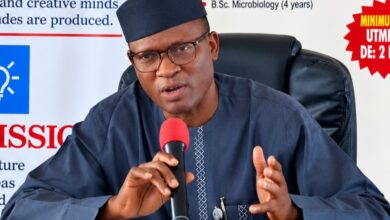
According to Oyo State’s Commissioner for Education, Science and Technology, Hon. Olusegun Olayiwola, the strategic plan also seeks to move the state’s education sector beyond policy declarations to practical implementation, with emphasis on improving school facilities and creating learning environments that are safe, accessible and conducive to effective teaching and learning.

Stakeholders have, however, stressed that the success of the initiative will depend largely on the commitment of government, development partners, communities and other actors in the education sector to translate its objectives into measurable outcomes.
Concerns were raised at the unveiling that the plan must not end up as another policy document without corresponding action, particularly given the number of children still excluded from formal education.
Malala Fund and UNESCO, whose positions were highlighted at the event, underscored the importance of ensuring that the strategic framework produces tangible results rather than remaining on paper.
They stressed the need for coordinated efforts among relevant stakeholders to tackle the structural and social barriers preventing children from accessing education.
Education stakeholders maintain that addressing the out-of-school crisis requires more than increasing enrolment figures. It also demands sustained investment in school infrastructure, adequate teaching personnel, accessible facilities for children with disabilities and measures to keep pupils in school.
Improving sanitation, providing libraries and other essential learning resources, and reducing overcrowding are equally important to ensuring that children not only enrol but also learn in environments that support their development.
The emphasis on gender responsiveness is also expected to strengthen efforts to remove barriers confronting girls, especially in rural communities where social and economic disadvantages can limit educational opportunities.
Similarly, an effective financing and accountability framework would be crucial to ensuring that resources allocated to the education sector are properly utilised and that progress under the 2026–2030 plan can be monitored.
With more than 670,000 children reportedly out of school, the scale of the challenge underscores the urgency of implementing policies capable of reaching disadvantaged communities and vulnerable learners.
The unveiling of the strategic plan has therefore placed renewed attention on the responsibility of public authorities and other stakeholders to ensure that education becomes accessible to every child in Oyo State.
For the state, the real test of the Education Strategic Plan 2026–2030 will be whether it can translate its commitments into increased enrolment, improved learning conditions and a sustained reduction in the number of children excluded from the classroom.
Stakeholders insist that achieving this objective will require collective action, consistent funding and effective monitoring to ensure that no child is left behind.