DANGER! Ogun Blood Bank Drying Up
....blood shortage threatens lives during childbirth, accident emergency

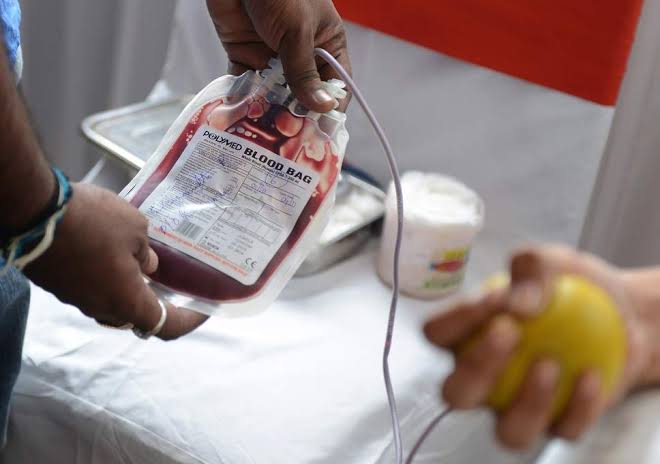
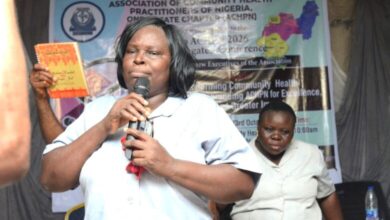
ABEOKUTA – An acute shortage of blood in the reserve is threatening effective emergency healthcare delivery, with patients requiring urgent transfusions increasingly exposed to delays that could cost them their lives, an official of the Ogun State Blood Bank has warned.
The official attributed the persistent shortage largely to the low level of voluntary blood donation in Nigeria, calling for increased public awareness and the promotion of regular blood donation as a civic responsibility.
The blood bank official warned that hospitals need adequate reserves of screened blood to respond promptly to medical emergencies, including severe bleeding during childbirth, road traffic accidents, emergency surgeries and complications arising from severe malaria.
According to her, the absence of sufficient blood reserves often forces patients’ relatives to search for donors at critical moments, creating avoidable delays in the delivery of lifesaving medical care.
The official explained that Nigeria’s blood supply challenges are compounded by widespread misconceptions, cultural superstitions and religious anxieties surrounding blood donation.

She noted that some Nigerians believe donating blood could permanently deplete their blood, affect their fertility or expose them to infections such as HIV, while others consider blood sacred to be donated and shared.
The official, however, stressed that eligible and healthy individuals can donate blood safely without suffering permanent health consequences, provided established medical screening and donation procedures are followed.

She said the country must move away from a system in which families struggle to find blood donors during emergencies towards one in which hospitals maintain adequate supplies before the need arises.
The official identified pregnant women experiencing severe bleeding after childbirth, children suffering from severe malaria-induced anaemia, sickle cell patients requiring regular transfusions and victims of serious accidents as some of the groups most vulnerable to blood shortages.

The shortage, she explained, makes it difficult for healthcare facilities to respond effectively to emergencies when blood is needed urgently, particularly in situations where every minute counts.
The official further advocated stronger public education campaigns to correct misconceptions and build public confidence in voluntary blood donation.
She said one of the most effective ways to address the challenge was to encourage healthy, eligible Nigerians to make blood donation a regular practice rather than waiting until a relative or friend required a transfusion.
The official also highlighted the importance of blood processing and storage, noting that maintaining an adequate reserve requires reliable electricity and appropriate storage facilities to preserve the safety and quality of donated blood.
According to her, a single donation can provide components such as red blood cells, plasma and platelets, potentially helping different patients with different medical needs.
The official explained that voluntary blood donation could therefore support several categories of patients, including mothers facing childbirth complications, children with severe anaemia and accident victims requiring urgent transfusions.
She called for stronger collaboration among government agencies, healthcare institutions, community leaders and civil society organisations to encourage regular donation and improve the availability of safe blood.
The official also urged Nigerians to disregard unfounded fears about blood donation and seek accurate information from qualified healthcare professionals.
She maintained that, a stronger culture of voluntary blood donation would help hospitals build more reliable reserves and reduce the pressure on families forced to search for donors during medical emergencies.
The official stressed that ensuring blood is available when needed is essential to saving lives and improving the country’s response to preventable deaths associated with severe bleeding and other medical emergencies.