The recent commentary by Olayinka Kuforiji attempts to paint the emergence of Solomon Olamilekan Adeola (Yayi) as a “quiet takeover” of Ogun State. But beyond the dramatic language and speculative claims, the argument collapses under the weight of facts, logic, and the political reality on ground.
This is not a story of acquisition. It is a story of acceptance.
1. Ogun Is Not a Marketplace — It Is a Political Community
To suggest that Ogun State is “for sale” is to diminish the intelligence, independence, and political awareness of its people. Ogun has a long-standing reputation for political consciousness, producing leaders who emerged through credibility, not coercion.
Political alignment is not new, nor is it suspicious. Across Nigeria and globally, politicians build alliances, shift camps, and consolidate interests. That respected figures such as Iyabo Anisulowo and others have aligned with Yayi is not evidence of a “marketplace”,it is evidence of political conviction, negotiation, and shared vision.

To reduce these decisions to mere transactions is both dismissive and intellectually lazy.
2. Representation Settles the Question of Origin

The most repeated criticism against Yayi has been the question of “where he is from.” Yet, this argument has already been settled decisively, not by rhetoric, but by democratic legitimacy.
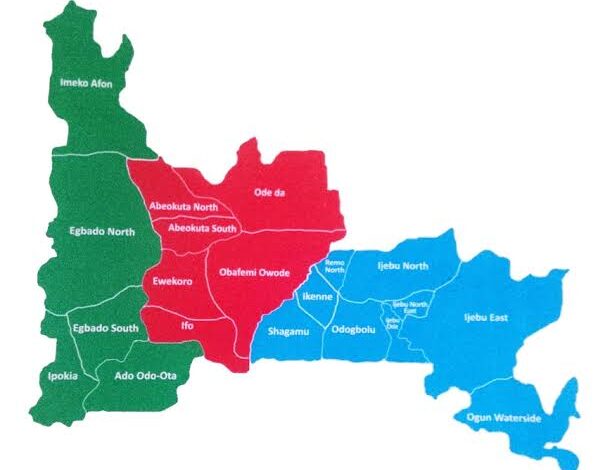
Yayi is not a stranger to Ogun State. He is a sitting Senator representing Ogun West, elected by the people themselves. In a democracy, there is no stronger validation of belonging than electoral mandate.

The people of Ogun West—Yewa and Awori sons and daughters—did not just accept him; they entrusted him with representation at the highest legislative level. That mandate is not given lightly, nor can it be bought wholesale as critics imply.
If he were truly an outsider, the ballot box would have rejected him.
3. Consensus Is Not Conquest
The alignment of leaders such as Dapo Abiodun, Ibikunle Amosun, and Gbenga Daniel is framed as an imposition. In reality, it reflects political maturity.
Consensus-building is a hallmark of stable political systems. It prevents fragmentation, reduces internal conflict, and strengthens party cohesion. To interpret unity as conspiracy is to misunderstand politics itself.
What critics call “convergence of power” can just as accurately be described as convergence of confidence in a candidate with proven capacity.
4. Movement Is Not Inducement, It Is Momentum
Defections and realignments are being portrayed as evidence of financial inducement. But politics is dynamic. People move when they see viability, structure, and a pathway to victory.
Yayi’s political growth has been marked by visibility, performance, and strategic engagement. His appeal across different blocs is not accidental—it is earned.
Momentum attracts support. It always has.
5. The Lagos Narrative Is a Distraction
Referencing Olusegun Obasanjo and raising fears about Lagos influence introduces a convenient but misleading narrative.
Ogun State is not an appendage of any other state. Its people are discerning enough to engage beneficial relationships without surrendering autonomy. Economic and political collaboration should not be confused with domination.
This line of argument seeks to provoke fear rather than present facts.
6. The Real Question: Performance and Capacity
At its core, leadership should be about competence, experience, and the ability to deliver results—not manufactured controversies about identity.
Yayi’s legislative track record, grassroots engagement, and political reach have made him a formidable figure in Ogun politics. These are tangible qualities, not abstract accusations.
Conclusion: Ogun Is Deciding, Not Being Sold
The emergence of Yayi is not a hostile takeover—it is a democratic evolution shaped by political actors, stakeholders, and ultimately, the people.
Ogun State cannot be bought.
Its mandate cannot be imposed.
Its future cannot be dictated by narratives detached from reality.
What is happening is simple: a candidate with structure, support, and statewide appeal is gaining ground.
And in a democracy, that is not conquest.
That is politics.
Ire o.