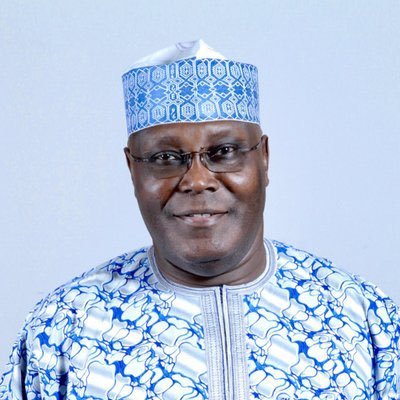
LAGOS – Former Vice President of Nigeria, Atiku Abubakar, has declared that his forthcoming engagement with policy and institutional stakeholders in the United States will be driven by one overriding concern: the alarming deterioration of security, governance, and economic stability in Nigeria.
Atiku stated plainly that Nigeria is facing a full-blown internal crisis, one that can no longer be downplayed, politicized, or explained away. From the ravaging violence in the North-West and North-East, to the persistent bloodshed in the Middle Belt, and the growing spread of kidnapping and criminality across the country, Atiku warned that the Nigerian state is steadily losing its grip on its most fundamental responsibility: the protection of lives and property.
According to him, the situation has moved beyond isolated incidents to a pattern of systemic failure.
Communities are being overrun, livelihoods destroyed, and citizens abandoned to their fate.
He argued that any government that cannot guarantee basic security forfeits the moral basis of its mandate.

The former Vice President also pointed to the deepening economic hardship confronting Nigerians, describing it as both severe and avoidable.
He noted that rising inflation, a weakened currency, and collapsing purchasing power have pushed millions into distress, while policy inconsistency and lack of strategic direction continue to erode confidence in the economy.

In his words, “Nigerians are not just tired, they are being stretched to the limits of endurance,” he said in a statement.
Atiku further raised concerns about the state of Nigeria’s democratic institutions, warning that declining public confidence in governance, accountability, and the electoral process poses a direct threat to national stability.

As the country moves toward another election cycle, he insisted that any attempt to undermine transparency or manipulate outcomes will carry serious consequences for both unity and legitimacy.
Addressing the anticipated criticism of his international engagement, Atiku is unequivocal: telling the truth about Nigeria is not unpatriotic.
He rejected the notion that engaging global partners amounts to inviting foreign interference, stressing that Nigeria does not exist in isolation and cannot pretend that its internal failures have no external implications. He maintained that the world already sees what is happening; the real question is whether Nigerian leaders are prepared to confront it honestly.
He reiterated that only Nigerians will decide Nigeria’s leadership, but insisted that international partners have a legitimate interest in the stability, governance standards, and democratic health of a country as strategically important as Nigeria.
According to him, responsible leadership does not hide from scrutiny, it welcomes it as a pathway to improvement.
In a direct message to the current administration, Atiku warned against complacency and deflection. He stated that power is not an entitlement but a responsibility, and that Nigerians expect results, not explanations. He called on the government to urgently reset its priorities, restore public confidence, and demonstrate a clear, credible strategy for addressing insecurity and economic decline.
To Nigerians, he delivered a blunt reminder: no nation survives in silence. He urged citizens to remain vigilant, engaged, and unyielding in their demand for accountability, emphasizing that real change will not come from outside the country but from the collective will of its people.
Atiku concluded that Nigeria stands at a critical juncture. The choice, he says, is between confronting hard truths now or allowing the country to drift further into instability. For him, the moment demands courage, honesty, and decisive leadership, anything less would be a disservice to the nation and its future.