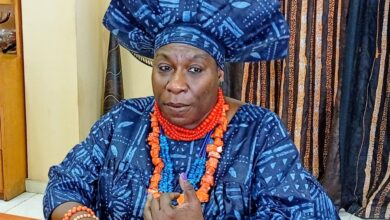
ABEOKUTA – Former member of the House of Representatives and member of the Federal Character Commission, Hon. Kayode Oladele, has dismissed an article titled The Farmer, the Fowls and APC’s Politics of Profit as an attempt to discredit Senator Solomon Olamilekan Adeola’s record of service through fiction instead of facts.
Oladele said it was unfortunate that genuine efforts to improve the lives of the people were being twisted into a political narrative by those who had no convincing answer to the Senator’s performance.
He said, “The writer built his entire argument around an imaginary story instead of verifiable facts. Good literature may entertain readers but public discourse should be driven by facts and evidence.”
According to him, Senator Adeola’s record in the National Assembly speaks for itself through projects, scholarships, bursaries, empowerment programmes and other interventions that have positively affected thousands of lives across Ogun State.
“It is ironic that those who once accused elected representatives of abandoning their constituents are now criticising one of the few legislators who has consistently invested in education, youth development, healthcare and economic empowerment.

“The constitutional duty of a legislator goes beyond making laws. It also includes attracting development and improving the welfare of the people. Senator Adeola has done exactly that and the people can see the results.”
Oladele said it was misleading to suggest that empowerment programmes were designed only to win political support.

“There is nothing wrong with a representative using his office to provide opportunities for students, artisans, farmers, market women and small business owners. That is responsible representation. The beneficiaries are not imaginary characters in a story. They are real people whose lives have improved through these interventions.”
He also faulted the attempt to pitch infrastructure against empowerment.

“No serious government chooses one over the other. Development is about roads, schools, hospitals, electricity, water supply, education, healthcare and economic opportunities. They all go together.
“If anyone has evidence that a particular road was poorly executed, such a person should identify the project, the contractor and the supervising agency instead of making sweeping allegations without proof.”
Oladele said blaming Senator Adeola for the nation’s economic challenges was unfair and politically motivated.
He noted that despite the economic realities facing the country, the Senator had continued to provide practical support to thousands of families through scholarships, grants, vocational training and other social intervention programmes.
“The people of Ogun State are politically mature. They know the difference between vote buying and genuine service. They also know the difference between politicians who appear only during elections and leaders who have remained accessible and committed to their people over the years.”
Oladele urged political actors to focus on issues, programmes and records rather than fictional analogies designed to mislead the public.
“The 2027 governorship election should be about competence, character, capacity and performance. Those who believe they have a better alternative should present their own record and vision for Ogun State.
“No amount of fiction can erase years of measurable service. Ultimately, the people will judge every aspirant on the basis of performance, credibility and commitment to the development of Ogun State,” he said.